
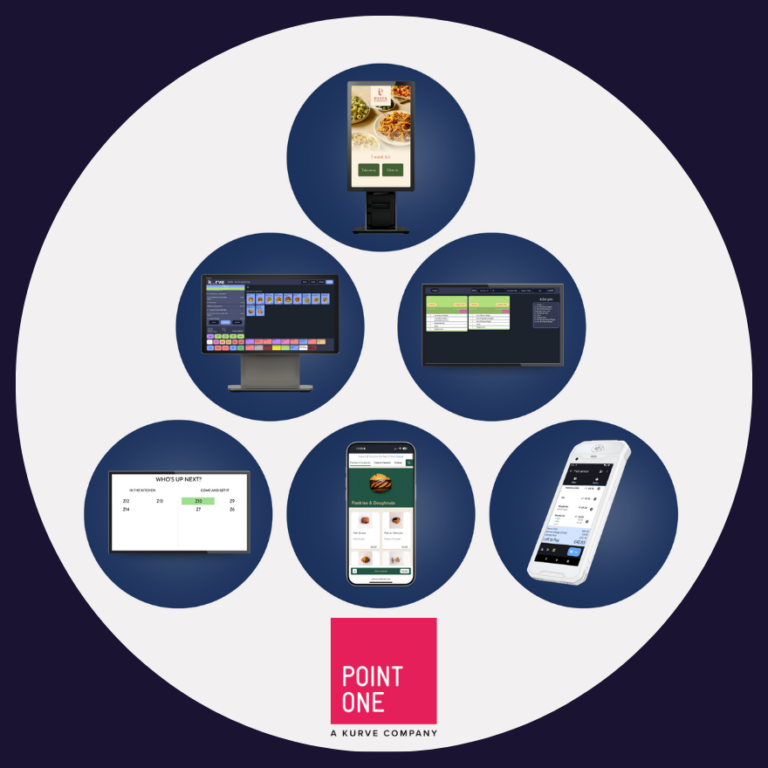
What is a full tech stack for a theatre?
A full tech stack brings together the different technologies a theatre uses to manage its operation and audience journey.
This can include:
- Theatre EPOS
- Ticketing integrations
- Pre-show and interval ordering
- Mobile ordering and click & collect
- Kiosks and self-service
- Handheld ordering and payments
- Kitchen Display Screens
- Stock and food labelling
- Head office reporting
- Payments
- Loyalty and customer engagement
- Third-party integrations
The important part isn’t simply having all these technologies available. It’s making sure they are connected.
When systems share information, teams can work from the same data, orders can move more efficiently through the operation and customers have a more consistent experience across every touchpoint.
Create a more connected audience journey
The audience experience starts long before the curtain goes up.
A customer books tickets for a performance and pre-orders an interval drink at the same time. When they arrive, the order is already linked to their performance and ready to be fulfilled. During the interval, they can order another drink through their phone or at the bar, without staff needing to switch between different systems.
Instead of treating every transaction as a separate interaction, theatres can create a more joined-up experience from booking through to departure.
Make interval ordering more efficient
The interval is one of the biggest operational challenges for theatres. Thousands of customers can have just a short window to purchase food and drinks, making speed and efficiency essential.
A connected tech stack can help theatres manage this pressure by giving audiences more ways to order and pay:
- Pre-order before the show – customers can order refreshments in advance, helping reduce demand during the interval.
- Mobile ordering – audiences can order from their phone rather than waiting in a queue.
- Handheld ordering – staff can take orders and payments directly from customers, wherever they are.
- Self-service – kiosks give customers another quick way to order and pay.
- Connected EPOS – orders from different channels feed into the same system, making them easier for staff to manage.
By giving customers more ways to order while keeping everything connected behind the scenes, theatres can reduce queues, improve service and create more opportunities to increase secondary spend.
Give teams the right information
A full tech stack shouldn’t just benefit customers. It should make life easier for theatre teams too. When systems are connected, staff can access the information they need without constantly switching between different platforms.
Front-of-house teams can take orders and payments. Bar and catering teams can receive orders efficiently. Managers can monitor sales and performance. Head office teams can access reporting across locations or venues.
This creates greater visibility across the operation and allows teams to make decisions based on what’s actually happening rather than relying on disconnected reports.
Reduce the complexity of managing multiple systems
Adding technology isn’t always the answer to an operational problem. Adding five different systems to solve five different problems can actually create more work. Teams have to learn different platforms, manage separate suppliers and deal with integrations between systems that weren’t necessarily designed to work together.
A connected technology platform can reduce that complexity. Instead of constantly asking how different systems will communicate, theatres can build their technology around a central ecosystem where the different components are designed to work together.
That means less duplication, fewer disconnected processes and a simpler experience for the people managing the technology.
Improve visability
When sales, ordering and operational information are brought together, theatre teams can build a clearer picture of what is happening across the business.
Managers can understand which performances are generating the most F&B revenue, which products are selling, when demand peaks and where there may be opportunities to improve the customer journey.
For organisations operating multiple venues, this becomes even more valuable. A centralised view can make it easier to compare performance across venues and identify trends that might otherwise be missed.
Create more opportunities for secondary spend
For many theatres, increasing secondary spend isn’t simply about selling more products. It’s about making it easier for customers to buy.
A customer who can pre-order a drink before arriving, order from their seat or quickly collect something during the interval has more opportunities to spend without having to navigate a long queue.
A connected tech stack allows theatres to introduce these different purchasing channels while keeping them connected to the wider operation. That means theatres can experiment with different ways of increasing revenue without creating completely separate processes behind the scenes.
Connect technology with your existing systems
A theatre’s technology doesn’t exist in isolation. Ticketing systems, CRM platforms, loyalty programmes, accounting software and other operational systems all play a role. That’s why integrations are such an important part of a modern theatre technology strategy.
Connecting EPOS with ticketing platforms such as Spektrix, Tessitura and Ticketsolve, alongside other systems used by the organisation, can help information move between platforms and reduce the need for manual processes.
The goal isn’t to replace every system a theatre already uses. It’s to make the technology it already relies on work better together.
Technology should support the theatre, not get in the way
The best theatre technology isn’t necessarily the technology with the longest list of features. It’s the technology that works together.
A full tech stack can connect the different parts of a theatre’s operation, from ticketing and ordering through to payments, kitchen management and reporting.
For audiences, that can mean a faster and more convenient experience, for staff, it can mean simpler processes and better visibility and for theatre management teams, it can mean more opportunities to improve efficiency, increase secondary spend and make better decisions using real-time business data.
The future of theatre technology isn’t about adding more disconnected systems. It’s about creating a connected technology ecosystem that works together around the audience and the operation.
How PointOne can help?
PointOne brings theatre EPOS, ordering, payments and integrations together to help venues create a more connected operation.
From pre-show and interval ordering to ticketing integrations, handheld sales and centralised reporting, PointOne is designed around the specific demands of theatres and cultural venues.
Want to see how a connected tech stack could work for your theatre? Get in touch with the PointOne team to arrange a conversation.