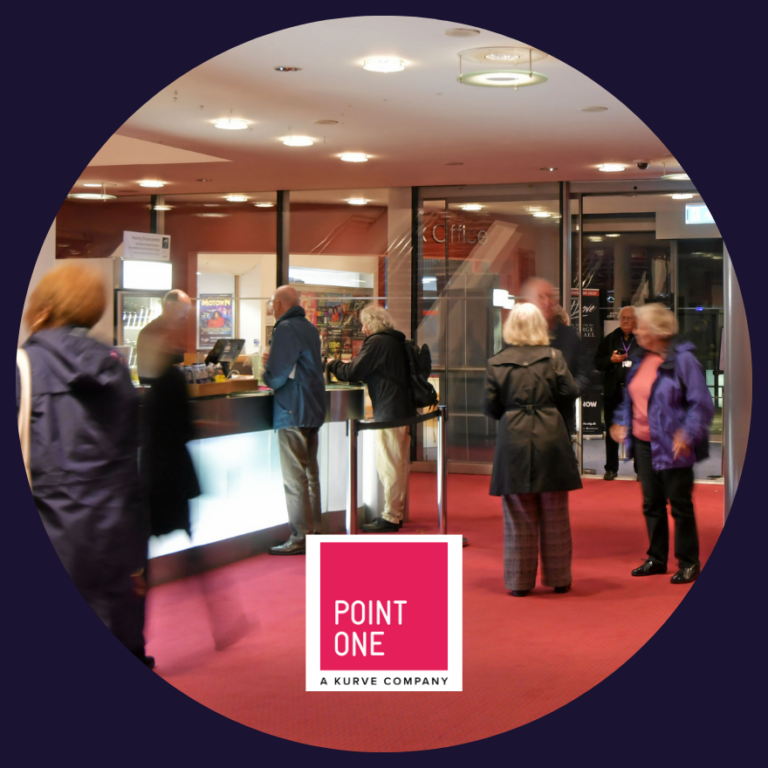
The Opportunity Already Exists
Theatre audiences already arrive ready to spend. Whether it’s pre-show drinks, interval refreshments, merchandise, VIP experiences or snacks and confectionery the demand is already there.
The issue is often accessibility. Long queues, limited service points, and short intervals can restrict transaction volumes and reduce purchasing opportunities.
Theatres that successfully increase secondary spend focus on making purchasing easier, faster, and more convenient throughout the guest journey.
Interval Ordering
One of the biggest revenue opportunities for theatres is interval ordering.
Traditional interval service creates significant operational pressure:
- Large audience volumes
- Short service windows
- Queue congestion
- Limited ordering time
This can lead to:
- Missed sales
- Frustrated guests
- Reduced transaction values
- Overwhelmed front-of-house teams
Interval ordering allows guests to place orders before the show begins, ensuring drinks and refreshments are ready for collection during the interval.
This helps venues:
- Increase transaction volumes
- Reduce queue pressure
- Improve interval efficiency
- Deliver smoother guest experiences
- Maximise limited service windows
Most importantly, it removes friction from the purchasing journey.
Roaming Sales
Many theatres still rely heavily on fixed bar locations, but fixed tills naturally limit where transactions can happen.
Leading venues are increasingly using handheld POS systems to enable roaming sales across:
- Foyers
- Seating areas
- VIP spaces
- Terrace areas
- Pop-up bars
- Merchandise points
This allows staff to serve audiences wherever demand exists, helping capture impulse purchases that may otherwise be lost.
Roaming sales are particularly valuable during busy pre-show periods and intervals, where flexibility and speed are critical.
Upselling
Secondary spend growth isn’t just about serving more people – it’s also about increasing transaction value.
Modern hospitality technology helps venues introduce more consistent upselling opportunities through:
- Suggested drink pairings
- Premium upgrades
- Merchandise recommendations
- Bundle offers
- Membership benefits
- Interval pre-order prompts
Small increases in average transaction value across large audience volumes can create significant long-term revenue impact.
Loyalty & Membership Integrations
Audience loyalty schemes and memberships are becoming increasingly important revenue drivers for theatres and cultural venues.
Integrated hospitality technology allows venues to connect membership benefits directly into purchasing journeys.
This could include:
- Discounted interval drinks
- Priority ordering
- Exclusive offers
- Member rewards
- Pre-show promotions
Creating a more personalised experience not only improves guest engagement, but also encourages repeat visits and increased spend over time.
Mobile Ordering
Today’s audiences increasingly expect convenience and flexibility.
Mobile ordering allows guests to:
- Order ahead
- Skip queues
- Collect quickly
- Order directly from seats
- Access offers digitally
By reducing friction in the purchasing journey, venues make it easier for audiences to buy more during limited service windows.
For front-of-house teams, mobile ordering also helps reduce queue pressure and improve overall operational flow.
Reducing Friction Is the Key to Increasing Secondary Spend
Theatres don’t always need larger audiences to increase revenue.
Often, the biggest opportunity lies in making purchasing easier for the audiences they already have.
Leading venues are focusing on faster service, better convenience, more flexible ordering, connected guest journeys and reduced operational bottlenecks because removing friction creates more opportunities for audiences to spend.
Looking to Increase Secondary Spend Across Your Venue?
pointOne provides connected hospitality technology designed specifically for theatres, arts venues, and cultural spaces.
From interval ordering and handheld POS to mobile ordering, reporting, and ticketing integrations, pointOne helps venues improve service efficiency, reduce friction, and maximise secondary spend opportunities throughout the guest journey.