The problem with disconnected systems
A typical theatre operation involves a huge amount of information across multiple departments and systems. A customer might purchase a ticket weeks or months before a performance, order a drink before the show, make an interval purchase and buy merchandise on their way out.
Behind that simple audience journey are multiple teams, transactions and systems that all need to work together. When they don’t, teams can end up having to connect the information themselves. Sales data might sit in one system, ticketing information in another and operational reporting somewhere else.
The technology may be there, but without the right connections, you’re not necessarily getting the full value from it.
More admin means less time for your audience
One of the biggest hidden costs of disconnected technology is the additional administration it creates for theatre teams.
Tasks such as manual data entry, reconciliation and reporting can quickly add up, particularly across a busy venue.
Your team could be spending valuable time:
- Moving information between different systems
- Reconciling data
- Creating reports manually
- Checking figures across different platforms
- Troubleshooting issues between suppliers
- Preparing information for management meetings
These tasks may be necessary, but they don’t directly improve the audience experience or help your team run a better performance.
A more connected technology environment can reduce some of this administration and give teams more time to focus on the venue and its audiences.
When data doesn’t tell the whole story
Disconnected systems can also make it harder to understand what’s really happening across your venue.
Knowing that your bar generated £5,000 in sales is useful. But what if you could also see:
- Which performances generated the highest sales?
- Which shows drove the strongest interval spend?
- Whether certain audiences were more likely to purchase food and drink?
- When your busiest periods actually occurred?
When ticketing and transactional information sit in separate systems, identifying these relationships becomes much harder.
With pointOne, performance-level reporting can bring ticketing and transactional information together, helping venues understand what they sold, when it was sold and in relation to which performance.
That insight can support better decisions around staffing, stock, service and revenue.
The audience experience doesn’t see your systems
Your audience doesn’t care which system processes their payment or how many platforms your team has to manage. They simply expect the experience to work.
They want to be able to:
- Order quickly before a performance
- Pay easily using their preferred payment method
- Place an interval order without unnecessary delays
- Collect purchases efficiently
- Move through the venue without avoidable queues
When technology isn’t connected behind the scenes, the audience can sometimes feel the impact.
A slow ordering process can create queues, a payment issue can hold up service and a lack of visibility can make it harder for teams to respond when the venue gets busy.
The audience sees the experience. Your teams see the systems behind it. Those two things need to work together.
More technology doesn’t always mean a better operation
It’s easy to assume that adding another piece of technology will solve an operational problem. But introducing more systems without considering how they communicate can actually make an operation more complicated.
The goal shouldn’t necessarily be to have the most technology. It should be to have the right technology, connected in the right way.
For theatres, that means looking at the entire audience journey:
Ticket purchase to Arrival to Ordering to Payment to Collection to Departure
At each stage, consider whether the technology supporting it can share the information your teams need.
A connected approach can make a real difference
A connected theatre technology ecosystem can help remove some of the friction created by standalone systems.
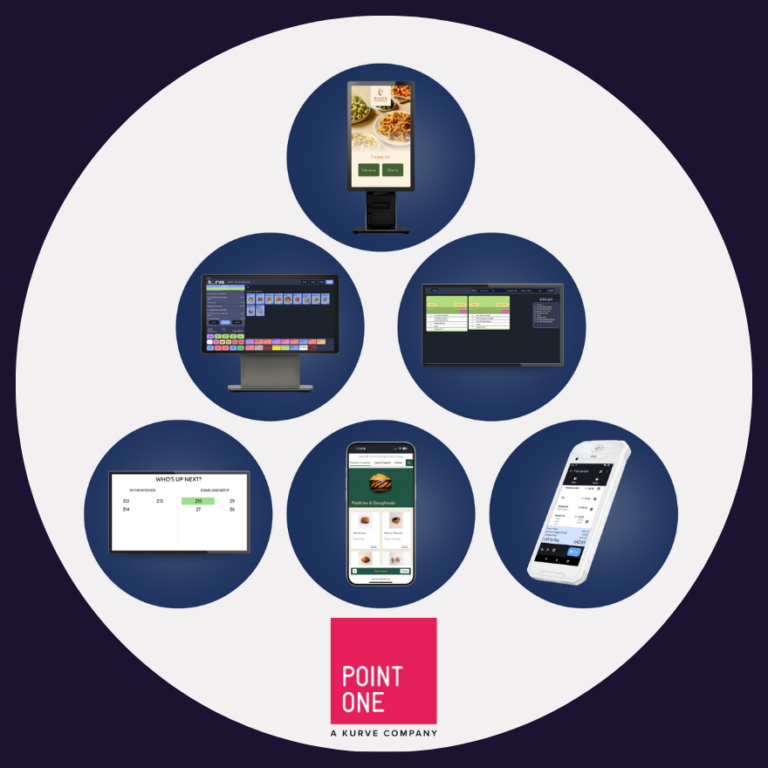
pointOne connects with leading ticketing and theatre systems, including Spektrix, Tessitura and Ticketsolve, helping theatres bring their ticketing and hospitality operations closer together.
It also supports:
- EPOS
- Handheld ordering
- Interval ordering
- Payments
- Performance-level reporting
The benefit isn’t simply having more features. It’s having those capabilities work together.
For example, ticketing information can provide context around performance-level sales, while transactional data can show what audiences are spending before, during and after a performance.
This can help theatres:
- Plan staffing around expected demand
- Manage stock more effectively
- Understand which performances drive additional spend
- Identify audience purchasing trends
- Find opportunities to improve the customer experience
The real cost of staying disconnected
The cost of disconnected systems isn’t always an obvious software licence or supplier invoice. Often, it sits in the time and effort required to work around those systems.
It’s the staff hours spent reconciling information, reports that take too long to produce and decisions made without the complete picture.
It’s also operational teams adapting their processes around technology rather than having technology support the way they want to work.
For theatres managing multiple revenue streams and busy performance schedules, those small inefficiencies can quickly become a bigger operational issue.
It’s time to think beyond individual systems
Theatre technology shouldn’t be viewed as a collection of individual tools.
Ticketing, EPOS, payments, ordering and reporting all have different roles, but ultimately they’re supporting the same thing: the successful running of the venue and the experience of its audience.
When reviewing your technology, don’t just ask “Does this system do what we need it to do?”. Also ask: “Does it work with everything else we need it to do?”
Because the value of your technology isn’t just in what each individual system can do. It’s in what they can do together.
Ready to look at your theatre technology differently?
pointOne helps theatres connect ordering, payments, EPOS, ticketing and reporting to create a more joined-up approach to venue operations.
If you’re dealing with multiple systems, manual processes or reporting that takes too much time, it could be worth looking at where your technology is creating friction — and where connecting it could make a difference.