Real-time reporting in theatre matters because the interval is the one moment in the night when your team can still change the result. It means seeing bar, kiosk and retail sales as they happen, so you can act during the performance instead of reading about it the next morning.
Picture the quarter of an hour before the interval. The bar is stocked, the team is in position, and somebody asks: how are we doing tonight? With a next-day report, the honest answer is “we’ll know tomorrow”. With live theatre sales reporting, you know now, and you still have time to do something about it.
What is real-time reporting in theatre?
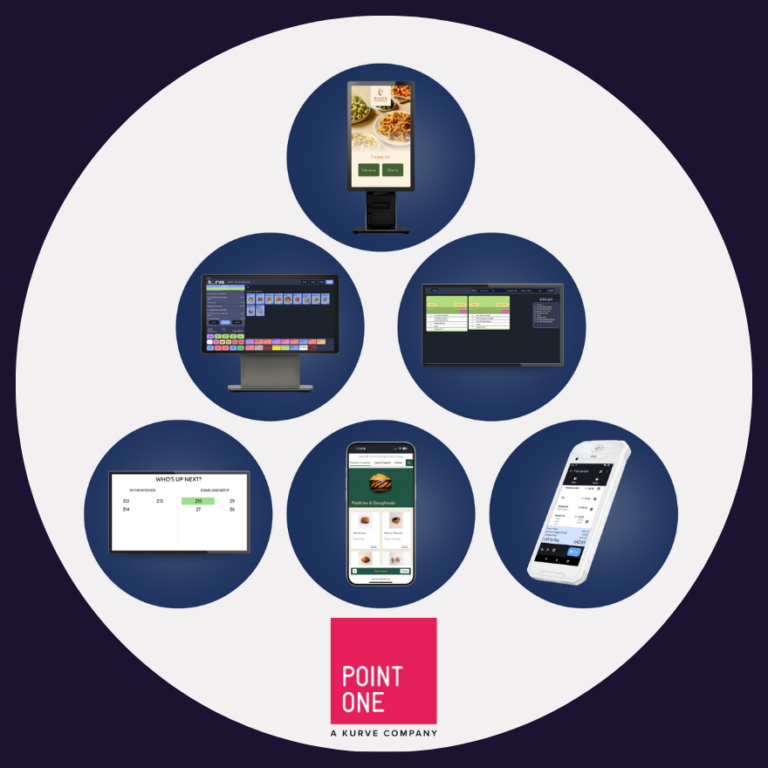
Real-time reporting is theatre sales reporting that you can see straight away, as it’s happening. Every sale on every till, kiosk and handheld device shows up in one place as it is taken, split by bar, product and performance. pointOne’s reporting and insights give theatres real-time visibility into sales and trends, instead of waiting on a monthly report.
It works best alongside your ticketing. pointOne integrates with Spektrix, LineUp and VisitOne, so sales and seating data sit together and a till total becomes a show-by-show picture.
Why does real-time reporting matter for secondary spend?
Secondary spend in theatre is everything an audience spends in your venue on top of the ticket: drinks, ice cream, programmes and merchandise. Ticket prices are set weeks ahead. Secondary spend is shaped between doors and curtain down, which makes it the part of the night’s income your team can still influence.
And the pressure is real. In March 2026, the Society of London Theatre and UK Theatre reported that 36% of theatres forecast an operating deficit. When margins are that tight, the bar and kiosk income your team can still influence on the night carries more weight.
A report that lands the next day tells you how it went. Live reporting lets you do something about it.
What can a theatre team act on during a show night?
The value of real-time reporting is in the hours between doors and curtain down. Here is what your team can act on, and when.
Before doors: set tonight’s target.
Decide what a good night looks like before the audience arrives. You can set a turnover target for each performance and check that the right stock is ready for tonight’s show, so everyone starts the evening knowing the number they are aiming for.
Doors open: read the early signals.
The first sales of the night tell you plenty. A live theatre bar sales report shows which drinks are moving fastest, whether food is selling alongside them, and whether spend per head is tracking against your target. If your best-selling drinks are going faster than planned, you send someone to fetch more stock at half seven, instead of apologising to a queue at a quarter past eight.
The interval: spot the rush before it hits.
The interval sales report is the one to watch. If one bar is flat out while another is quiet, you move people across or open another till point. Interval orders can move between bars and locations, so a pressure point at one bar does not have to become a queue. Send roaming sellers into the stalls. Point people to a kiosk. Remind the audience that pre-orders are open. You can see how your bars compare, side by side, while the night is still going.
Second half: set up the finish.
Use what the interval taught you. Top up whatever sold out, brief the team for the post-show rush, and have the numbers ready, because cash-up across several bars and mobile units is quicker when everything is already in one place.
After the curtain: know the answer before you leave.
You walk out knowing how the show performed against target, which bar carried the night and what to change before the next performance. Over a run, show-by-show sales reporting shows which productions and nights bring the highest bar takings per performance, so you plan stock and staffing from clear evidence.
How is real-time reporting different from a next-day report?
One theatre manager gets a report on Sunday morning. It shows the bar under-performed and a favourite drink sold out before the interval. Useful, but it describes a night that has already gone.
The second manager watches the night as it happens. They see the same drink running low at half seven and restock. They open a second till point when the interval queue builds. They finish the night against target. Same show, same audience, different result.
“I find the multi-department reporting invaluable for giving me an ‘eyes-on’ view of our venues sales – tracking our popular lines and seeing in real-time what is selling and when.”
Anna Marie Idle, Director of Hospitality, Selladoor Venues
Selladoor runs theatres in Barnstaple, Ilfracombe and Peterborough. Read the Selladoor Venues case study for the full story.
What should you look for in theatre EPOS reporting software?
Three questions tell you quickly whether a system will help on the night.
- Is it live? End-of-day reporting is not real-time reporting.
- Is it connected to ticketing? Without attendance data you cannot work out spend per head.
- Is it built for the interval? A system adapted from generic retail reports your sales. A system built for theatres reports your night.
pointOne is the EPOS platform built specifically for theatres, museums and cultural venues, with almost 25 years in the sector. It is used by venues including the Old Vic, Barbican, Sadler’s Wells and Birmingham Hippodrome. If your reports arrive late or do not give you clear insight, that is one of the five signs your theatre or venue has outgrown its current EPOS system. For the wider picture, read about the benefits of an EPOS system for theatres, or get in touch with the team to find out more about the system.